
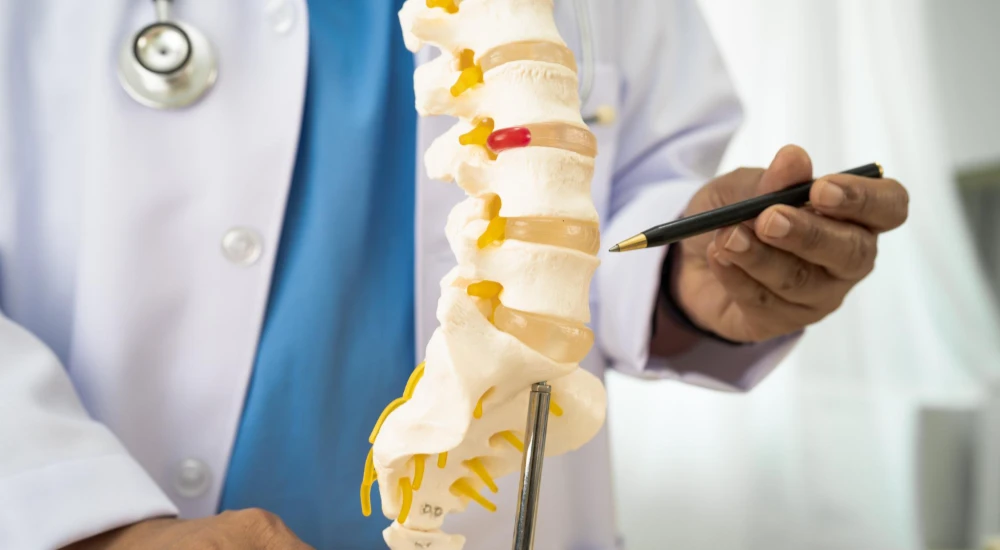
Slip disc is one of the most common reasons people seek medical help for persistent lower back pain and leg discomfort. The condition can affect individuals across different age groups from young professionals with long sitting hours to older adults with degenerative spine changes. Hearing the diagnosis often creates fear, especially when patients assume that surgery is unavoidable.
However, modern slip disc treatment focuses on a step-by-step approach that begins with conservative care and moves toward surgical solutions only when symptoms significantly affect daily life. Understanding how treatment decisions are made helps patients avoid unnecessary anxiety and ensures timely medical attention before the condition worsens.
Understanding What Happens in a Slip Disc
The spine consists of vertebrae separated by soft discs that act as shock absorbers during movement. When one of these discs bulges or ruptures, the inner gel-like material may press against nearby spinal nerves. This pressure often results in symptoms such as sharp lower back pain, burning sensations in the leg, numbness, or muscle weakness.
In many cases, minor disc bulges may remain stable for years if proper posture, strengthening exercises, and activity modification are followed. However, ignoring persistent pain, continuing heavy lifting, or maintaining poor ergonomic habits can increase nerve compression and lead to worsening symptoms. Early diagnosis through clinical examination and imaging helps determine whether the condition can be managed conservatively or requires advanced intervention.
How Doctors Decide the Right Slip Disc Treatment
Choosing the appropriate treatment is not based on MRI findings alone. Spine specialists carefully assess how the condition affects the patient’s mobility, work routine, sleep quality, and overall quality of life.
Severity of Pain and Functional Limitation
Pain that restricts routine activities such as bending, sitting at a desk, or walking short distances indicates a higher level of nerve irritation. When pain begins to affect independence or emotional well-being, more structured treatment strategies may be needed.
MRI Findings and Nerve Compression
MRI scans help doctors visualise disc displacement, inflammation, and nerve involvement. The size and position of the herniation play an important role in deciding whether conservative care is sufficient or surgical decompression may offer better relief.
Duration of Symptoms
Short-term pain may respond well to medication and guided physiotherapy. However, symptoms persisting for several weeks or recurring frequently suggest the need for deeper evaluation and possible procedural intervention.
Lifestyle and Work Demands
Individuals with physically demanding occupations, long commuting hours, or sedentary desk jobs require personalised recovery plans. Treatment recommendations often consider how quickly the patient needs to return to work and what preventive strategies can reduce recurrence risk.
Non-Surgical Slip Disc Treatment Options
Non-surgical management remains the first line of treatment for most slip disc cases. Physiotherapy programs focus on improving spinal flexibility, strengthening core muscles, and correcting posture to reduce pressure on the affected disc. These exercises also enhance blood circulation, which supports natural healing processes.
Medications may help control inflammation and reduce nerve irritation during acute pain phases. Lifestyle changes such as ergonomic workstation adjustments, avoiding prolonged sitting, maintaining healthy body weight, and practising safe lifting techniques significantly improve long-term outcomes. In certain cases, targeted spinal injections are recommended to provide temporary but meaningful pain relief, allowing patients to participate more effectively in rehabilitation.
When Surgery Becomes the Better Treatment Choice
While many patients improve with conservative care, surgery may be advised when symptoms indicate severe nerve compression or when quality of life is substantially affected. In such situations, delaying the right intervention can lead to prolonged pain, reduced mobility, and potential nerve damage. Timely surgical evaluation helps restore function, relieve pressure on nerves, and improve overall recovery outcomes.
Persistent Sciatica Affecting Mobility
Continuous shooting pain from the lower back into the leg can make walking or standing extremely difficult. Surgical decompression may help relieve nerve pressure and restore functional movement. In many cases, patients also experience disturbed sleep and reduced ability to perform routine tasks due to intense nerve pain. Early surgical correction can significantly improve comfort levels and help patients return to normal activities faster.
Progressive Weakness or Loss of Sensation
If muscle strength reduces or foot movement becomes difficult, it suggests advanced nerve involvement. Timely surgical intervention can prevent permanent neurological deficits. Patients may also notice difficulty in climbing stairs, frequent tripping, or inability to lift the foot properly while walking. Addressing nerve compression at the right stage improves the chances of regaining strength and coordination.
Emergency Symptoms
Sudden loss of bladder or bowel control or numbness in the groin region is considered a medical emergency. Immediate surgical evaluation is necessary to avoid long-term complications. These symptoms may indicate severe nerve compression that can lead to irreversible damage if treatment is delayed. Prompt medical attention can help protect nerve function and prevent lasting disability.
Recurring Pain Despite Long-Term Treatment
Repeated episodes of severe pain despite physiotherapy and medication may indicate structural disc damage that requires surgical correction for lasting relief. Frequent flare-ups can also affect work productivity, mental well-being, and physical independence. Surgical management in such cases aims to provide more stable long-term outcomes and reduce dependence on repeated medications or temporary treatments.
Types of Slip Disc Surgeries Available Today
Advancements in spine surgery have significantly improved safety standards, surgical precision, and overall patient recovery experiences. Modern techniques are designed to reduce tissue damage, shorten hospital stay, and help patients return to daily activities sooner. The choice of procedure depends on the severity of nerve compression, disc position, patient health condition, and functional requirements.
Minimally Invasive Spine Surgery
This technique involves smaller incisions and specialised instruments to remove disc pressure with minimal muscle disruption. Patients often experience less post-operative pain and quicker mobilisation. Because surrounding tissues are preserved, blood loss is usually lower and hospital stay may be shorter compared to traditional open surgery. Early rehabilitation and guided exercises further support faster functional recovery and improved long-term spine stability.
Endoscopic Slip Disc Surgery
Using a high-definition camera system, surgeons can precisely remove the herniated disc portion while preserving surrounding tissues. This approach is particularly useful for selected nerve compression cases. The targeted nature of the procedure often results in reduced surgical trauma, allowing patients to resume light activities sooner. Proper patient selection and surgeon expertise play a key role in achieving optimal outcomes with this advanced technique.
Microdiscectomy
A widely performed procedure where only the problematic disc fragment is removed. It has shown reliable results in relieving leg pain and improving mobility. The surgery is typically recommended when conservative treatments fail to control severe sciatica symptoms. With appropriate post-operative physiotherapy and activity modification, many patients are able to regain strength, flexibility, and confidence in movement over time.
Comparing Surgery and Non-Surgical Care
Non-surgical care focuses on gradual healing, muscle strengthening, and lifestyle correction. It requires consistency and patience but can provide sustainable relief for many patients, especially when symptoms are mild to moderate. Regular physiotherapy sessions, posture awareness, and activity modification help reduce pressure on the affected disc and improve spinal flexibility.
Surgery, on the other hand, may offer faster symptom resolution in severe cases where nerve pressure significantly limits daily function. It can help patients regain mobility sooner when pain becomes disabling or neurological symptoms progress. Understanding the benefits, possible risks, cost implications, and realistic recovery timelines of each approach helps patients make balanced decisions rather than choosing treatment based on fear, urgency, or misinformation.
Recovery Expectations After Slip Disc Treatment
Recovery depends on treatment type, age, general fitness, and adherence to rehabilitation advice. Early walking is often encouraged after minimally invasive procedures to promote circulation and reduce stiffness. Physiotherapy continues to play a crucial role in restoring spinal strength and preventing recurrence.
Gradual return to work, avoiding sudden twisting movements, and maintaining ergonomic posture are essential for long-term spine health. Regular follow-up consultations help monitor healing progress and guide activity resumption safely.
Choosing the Right Specialist for Slip Disc Treatment
Slip disc management requires a combination of accurate diagnosis, technical expertise, and personalised patient guidance. Consulting a spine-focused specialist ensures that treatment decisions consider both immediate pain relief and long-term functional stability.
Seeking expert care for slip disc treatment in Nagpur allows patients to access modern surgical techniques, comprehensive rehabilitation programs, and continuous monitoring throughout the recovery journey. Clear communication, realistic counselling, and evidence-based treatment planning further help patients feel reassured and actively involved in their healing process.
Conclusion
Slip disc can significantly impact mobility, confidence, sleep quality, and everyday comfort, but timely medical attention can make a meaningful difference. Recognising warning signs early and understanding available treatment options empowers patients to take proactive steps toward recovery and avoid long-term complications. Consistent rehabilitation, posture correction, and lifestyle discipline also play an important role in maintaining spinal health after treatment.
With expertise in minimally invasive and endoscopic spine procedures, Dr. Sohael Khan emphasises precise diagnosis, patient education, and customised treatment planning tailored to individual needs. Early consultation, structured follow-up care, and guided rehabilitation can help patients regain independence, improve functional ability, and achieve long-term spinal wellness.
Frequently Asked Questions
Can slip discs heal without surgery?
Yes, many mild to moderate cases improve with physiotherapy, medication, and lifestyle correction.
How long does recovery from slip disc treatment take?
Recovery may range from a few weeks to a few months depending on treatment type and rehabilitation commitment.
Is slip disc surgery safe?
When performed by an experienced spine specialist using modern techniques, surgery is generally safe and effective.
When should I consult a doctor for slip disc pain?
If pain persists for several weeks, worsens, or is associated with numbness or weakness, specialist consultation is recommended.
Can I continue walking with a slip disc?
Light walking is often encouraged, but activity levels should be guided by medical advice to avoid strain.