
Back Pain Treatment in Nagpur
Comprehensive care for acute and chronic back pain, helping you regain mobility and live pain-free with advanced treatment options.
What is Back Pain?
Back pain is one of the most common health concerns affecting people of all ages. It can range from a mild ache to severe, disabling pain that interferes with daily activities. The discomfort may develop suddenly after an injury or gradually due to poor posture, aging, or underlying spine problems.
Most back pain is short-term and improves with basic care, but persistent or recurring pain may indicate deeper issues with muscles, discs, or nerves in the spine. Early evaluation helps in identifying the cause and starting the right treatment for lasting relief.
Causes and Risk Factors of Back Pain
Back pain can arise from many different factors, ranging from everyday strain to serious spinal conditions. Understanding the cause is the first step toward proper treatment.
Common Causes Include:

Muscle or Ligament Strain
Lifting heavy objects, sudden movements, or poor posture can strain back muscles and ligaments.

Herniated or Bulging Discs
Discs that slip or press on nerves can trigger pain, numbness, or weakness.
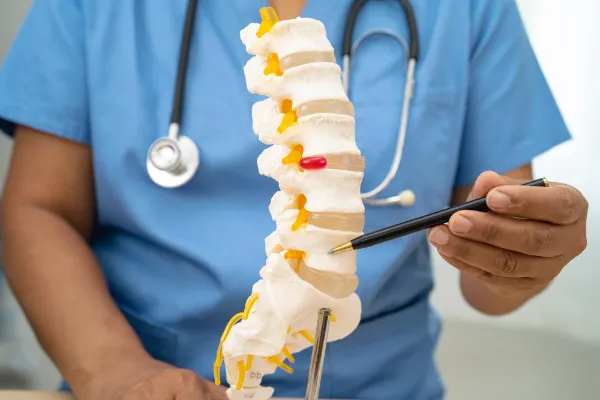
Arthritis
Spinal arthritis can lead to stiffness, inflammation, and chronic discomfort.
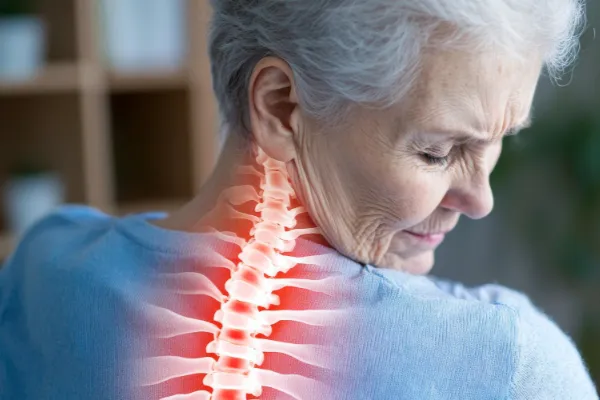
Osteoporosis
Weak and brittle bones increase the risk of fractures in the spine.

Poor Posture
Sitting or standing incorrectly over time puts extra stress on the back.

Injuries or Accidents
Falls, sports injuries, or trauma can damage the spine and tissues.
Identifying the root cause of back pain ensures that the treatment plan is effective and tailored to long-term relief.
Signs and Symptoms of Back Pain
Common Symptoms:
- Persistent ache or stiffness in the lower, middle, or upper back
- Sharp, localized pain after lifting or twisting
- Pain that radiates to the buttocks, legs, or feet (sciatica)
- Muscle spasms or tightness in the back
- Limited range of motion or difficulty standing upright
Warning Signs You Shouldn’t Ignore:
- Pain that worsens at night or while resting
- Weakness, numbness, or tingling in the legs
- Loss of bladder or bowel control
Early attention to these signs ensures timely treatment and reduces the risk of long-term complications.
Back Pain Management and Treatment Options
Back pain treatment depends on the severity, underlying cause, and how it affects daily life. Many patients improve with conservative care, while others may need advanced interventions.
Non-Surgical Treatments
Medications:
Doctors often prescribe pain relievers, anti-inflammatory drugs, or muscle relaxants to ease discomfort. These medicines help reduce inflammation, stiffness and improve movement. They are usually given for short-term use to control acute symptoms.
Physiotherapy:
Targeted exercises and manual therapy strengthen back muscles, improve flexibility, and support spinal health. Physiotherapists guide patients with posture training and movement correction. This approach reduces pain and lowers the chances of recurrence.
Lifestyle Modifications:
Simple changes like correcting posture, maintaining a healthy weight, and using ergonomic furniture make a big difference. These habits help reduce strain on the spine in daily activities. Consistency in lifestyle care plays a major role in long-term pain prevention.
Interventional Therapies
Injections:
Corticosteroid or nerve block injections are used when back pain does not respond to conservative care. They deliver relief by targeting inflammation around specific nerves. These injections often provide lasting comfort and reduce the need for stronger medication.
Minimally Invasive Procedures:
Treatments like radiofrequency ablation or endoscopic techniques are used to block or relieve pain. They require only small incisions and preserve surrounding tissue. Patients usually experience shorter recovery times compared to open surgery.
Surgical Treatments (for severe cases)
Discectomy, Laminectomy, or Fusion:
These procedures are performed when structural spine problems like herniated discs or instability persist. Surgery relieves pressure on nerves and restores spinal stability. It is usually considered when all non-surgical options have failed.
Minimally Invasive Spine Surgery:
This approach uses advanced tools to treat spinal issues through smaller cuts. It reduces blood loss, hospital stay, and post-surgery pain compared to traditional surgery. Faster recovery helps patients return to normal life sooner.
Diagnosis of Back Pain
Accurate diagnosis is crucial to identifying the underlying cause of back pain and planning the appropriate treatment. A combination of clinical evaluation and imaging helps pinpoint the problem effectively.
- Physical Examination: Assesses posture, range of motion, reflexes, and muscle strength.
- X-Ray: Detects fractures, deformities, and degenerative changes in the spine.
- MRI (Magnetic Resonance Imaging): Visualizes discs, nerves, and soft tissues for precise diagnosis.
- CT Scan (Computed Tomography): Provides detailed cross-sectional images of bones and spinal structures.
- Blood Tests: Rules out infections, inflammation, or other underlying medical conditions.
Timely and precise diagnosis ensures that patients receive the most effective treatment, reducing the risk of chronic pain and complications.
Back Pain Recovery and Rehabilitation
Recovery from back pain involves a combination of guided exercises, physiotherapy, and lifestyle adjustments to restore mobility and prevent recurrence.
- Physiotherapy & Exercises: Strengthens core muscles, improves flexibility, and supports proper posture.
- Posture Correction: Teaches proper sitting, standing, and lifting techniques to reduce spinal stress.
- Lifestyle Adjustments: Maintaining a healthy weight, staying active, and avoiding prolonged sitting helps prevent future episodes.
- Ergonomic Modifications: Using supportive chairs, mattresses, and workspace setups to minimize strain.
- Gradual Activity Resumption: Encourages patients to slowly return to daily activities without overloading the spine.
Closing Line: Consistent rehabilitation and healthy habits are essential for long-term relief and preventing recurring back pain.
When to See a Specialist for Back Pain
While mild back pain often improves with rest and simple self-care, some cases require medical attention. If pain persists for several weeks, worsens over time, or radiates to the legs, it’s important to consult a spine specialist.
Seek urgent care if back pain comes with numbness, weakness, tingling in the legs, or loss of bladder or bowel control, as these could indicate serious spinal conditions. Timely evaluation ensures accurate diagnosis, effective treatment, and helps prevent long-term complications.
Take the First Step Toward Back Pain Relief
Don’t let back pain limit your daily activities. Get expert evaluation and advanced treatment options tailored to your condition.
Frequently Asked Questions
Yes. Maintaining improper posture while sitting, standing, or lifting can strain muscles and ligaments, gradually leading to chronic back pain over time.
If back pain persists beyond 1-2 weeks despite rest, ice/heat therapy, or over-the-counter pain relief, it’s best to seek medical evaluation to rule out serious underlying conditions.
Absolutely. Stress can cause muscle tension in the back and shoulders, exacerbate inflammation, and make existing pain feel worse.
High-impact or improper exercises can worsen back pain. Low-impact activities like walking, swimming, or targeted physiotherapy are safer and more effective for recovery.
Prolonged sitting weakens core and back muscles, increases spinal load, and can accelerate disc degeneration, making back pain more likely and persistent.
Yes. If a nerve in the spine is compressed or irritated, pain may radiate to the legs, causing weakness, tingling, or numbness, which requires prompt medical attention.
Yes. Sleeping on a supportive mattress with proper spine alignment reduces pressure on discs and muscles, which helps prevent or ease back pain.
In many cases, consistent physiotherapy combined with lifestyle modifications significantly improves back pain, though some severe conditions may require additional interventions.