
Sciatica Treatment in Nagpur
Effective relief from sharp leg pain, tingling, and nerve pressure with advanced sciatica care. Trusted by patients in Nagpur for safe, lasting recovery.
What is Sciatica?
Sciatica occurs when the sciatic nerve, which runs from the lower back through the hips and then down the back of each leg, is either placed on it or irritated. The nerve is usually pressed from a slipped disc, spinal stenosis, or bone spurs in the spine.
The pain is usually sharp and shooting from the lower back and down through the leg. Some people may also feel numbness, tingling, or weakness of the leg. Unlike regular back pain, sciatica is actually nerve irritation, so the symptoms will be more intense and last longer if left untreated.
With Dr. Sohael Khan, patients receive personalized diagnosis and advanced treatment designed to relieve pressure on the sciatic nerve and restore mobility.
Symptoms of Sciatica
Sciatica shows up differently in every patient, but the pain usually follows the path of the sciatic nerve. Below are the most common symptoms explained in simple terms. Recognizing these signs early can help prevent the condition from becoming severe.

Radiating Leg Pain
The primary symptom of sciatica is pain that begins in the lower back and extends through the buttocks, down the back of the leg. It can feel sharp, shooting, or burn. It generally gets worse with sudden movements.

Tingling Sensation
Many patients describe a pins-and-needles feeling in the leg or foot. This happens because the irritated sciatic nerve sends abnormal signals to the affected areas.

Numbness in the Leg or Foot
Loss of sensation, especially along the back of the leg or in parts of the foot, can occur when the nerve is compressed for a long time. This makes walking or standing more difficult.

Muscle Weakness
Sciatica may cause weakness in the leg muscles, particularly those responsible for lifting the foot or bending the knee. In severe cases, this can lead to foot drop.

Pain That Worsens While Sitting
Sitting for long periods puts extra pressure on the sciatic nerve, intensifying the pain. Patients often feel relief when standing or lying down.
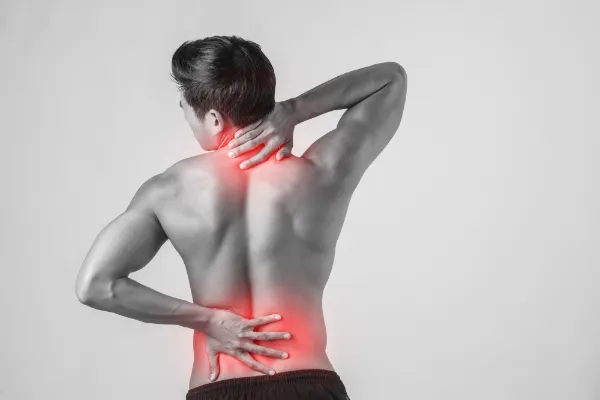
Burning or Electric Shock-Like Pain
Some people experience a burning sensation or sudden jolts of electric pain that shoot down the leg. This can be alarming, but it is a common sign of nerve irritation.
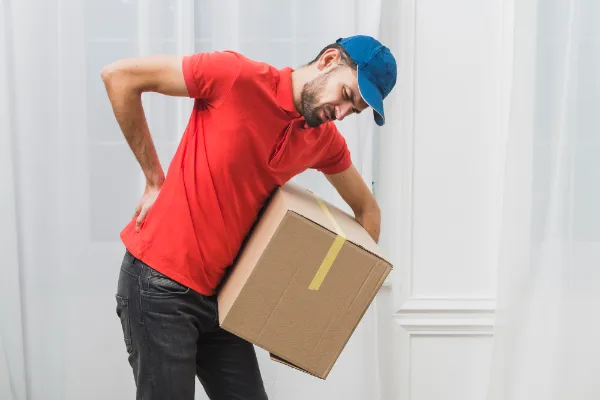
Difficulty Moving or Walking
Because of pain, weakness, or numbness, simple activities like standing, climbing stairs, or walking short distances may become challenging.
Pain Triggered by Coughing or Sneezing
Even simple actions like coughing, sneezing, or straining can suddenly worsen the pain because of increased pressure on the spinal discs and nerves.
Causes of Sciatica
Sciatica is not a condition but an effect of an underlying spinal condition. It occurs when the sciatic nerve has been compressed, pinched, or irritated, resulting in pain, numbness, and/or weakness down the path of the nerve. This irritation is commonly caused by herniated discs, spinal stenosis, and other lower back structural issues that put pressure on the nerve.

When the softer center of a spinal disc protrudes and can put direct pressure on the sciatic nerve roots that come out from your spine, this is one of the most common factors involved in sciatica.
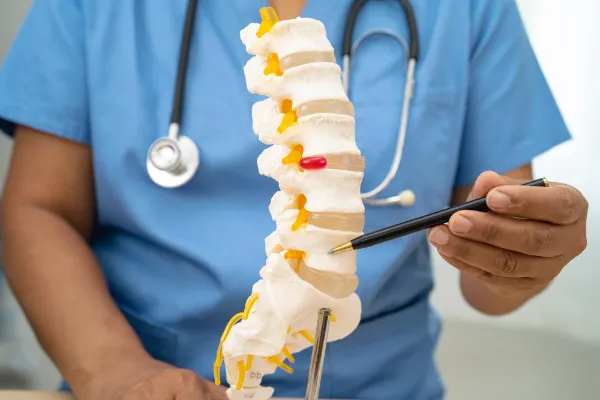
Spinal Stenosis
Bone Spurs
Overgrowth of bone, often caused by arthritis, can form around the vertebrae and irritate or pinch the nerve roots connected to the sciatic nerve.

Spondylolisthesis
This condition happens when one vertebra slips forward over another, creating pressure on the nerves in the lower spine and triggering sciatic pain.
Piriformis Syndrome
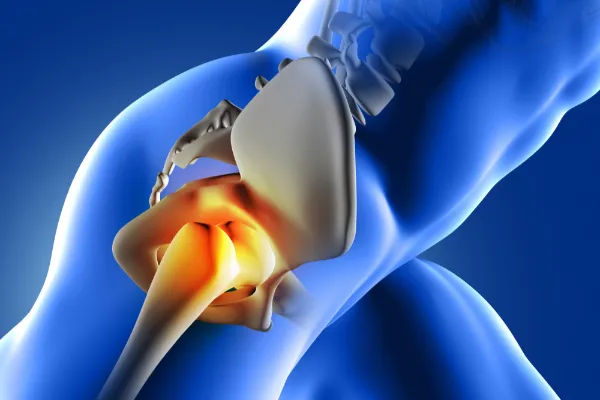
The piriformis muscle, located deep in the buttocks, can sometimes spasm or tighten, irritating the sciatic nerve that runs underneath it.

Inflammation from a slip disc can make it difficult to bend, twist, or move comfortably. Many patients notice stiffness in the spine, especially after long periods of sitting or in the morning.
Sciatica Treatment in Nagpur
Sciatica treatment depends on the severity of pain and the underlying cause of nerve compression. In most cases, doctors begin with non-surgical methods to relieve pain and restore mobility. If these don’t provide relief, surgical options are considered for long-term results.
Non-Aurgical Treatment Options
1. Medications:
Pain killers, muscle relaxants, and anti-inflammatories will help relieve swelling and pain. They will typically provide short-term relief and are often used in conjunction with other treatments and therapies.
2. Physiotherapy and Exercises
3. Epidural Steroid Injections
These injections deliver powerful anti-inflammatory medication directly around the affected nerve. They reduce pain quickly and can provide relief for several weeks or months.
4. Heat and Cold Therapy:
Alternating between hot and cold packs can ease muscle spasms and improve blood circulation. This simple home-based therapy is often recommended alongside medical treatments.
5. Lifestyle Modifications:
Improving posture, avoiding long sitting hours, maintaining a healthy weight, and regular low-impact activities like walking or swimming can significantly reduce sciatic pain.
Surgical Treatment Options
1. Microdiscectomy:
This procedure is minimally invasive, and it involves the surgical removal of the herniated portion of a disc that is compressing the sciatic nerve. The procedure relieves pressure on the nerve while leaving the remaining structure of the disc intact.
2. Laminectomy
In a laminectomy, a part of the vertebra known as the lamina is removed to allow for widening of the spinal canal. This relieves compression of the nerve caused by bone spurs or spinal stenosis.
3. Spinal Fusion (Selective Cases)
If instability is contributing to sciatica, spinal fusion may be done to stabilize the spine. It permanently joins two or more vertebrae, reducing nerve irritation.
Recovery After Sciatica Treatment
The recovery timeline for sciatica depends on the severity of the condition and the type of treatment chosen. While some patients recover within a few weeks with conservative care, others may take longer if surgery is required. Following medical advice closely ensures a faster and smoother recovery.
Recovery tips:
- Stay active safely: Light exercises prevent stiffness; avoid heavy strain.
- Physiotherapy: Builds strength and flexibility in the spine and legs.
- Medication: Take pain relievers or anti-inflammatories as prescribed.
- Lifestyle changes: Keep good posture, limit sitting, and follow a spine-friendly routine.
- Healthy habits: Eat well, stay hydrated, and manage weight.
- Post-surgery care: Follow wound care, attend check-ups, and return to activities gradually.
Get Expert Sciatica Treatment in Nagpur
Living with sciatica pain can be frustrating, but the right care can bring lasting relief. Dr. Sohael Khan offers advanced and personalized Sciatica Treatment in Nagpur to help you regain mobility and comfort.
Frequently Asked Questions
If your pain starts in the lower back and radiates down to your buttock, thigh, or foot, it may be sciatica. A doctor can confirm this with physical exams and imaging tests.
In some cases, mild sciatica improves within a few weeks with rest, exercise, and home care. Persistent or severe symptoms usually require medical attention.
No, while a slipped disc is a common cause, sciatica can also result from spinal stenosis, bone spurs, or other conditions that compress the sciatic nerve.
Avoid prolonged sitting, heavy lifting, twisting movements, and high-impact activities. These can worsen nerve irritation and increase pain.
Recovery varies depending on the cause and treatment. Many patients improve in 4–6 weeks with conservative care, while severe cases may take longer.
Yes, physiotherapy plays a vital role by improving flexibility, strengthening back muscles, and reducing pressure on the sciatic nerve.