
Medical History Review
We start by discussing your symptoms, lifestyle, medical background, and any past injuries. This helps identify potential causes and risk factors for your condition.

Dr. Sohael Khan offers comprehensive herniated discs treatment in Nagpur, using a combination of non-surgical therapies and advanced minimally invasive procedures.
A slip disc, also known as a herniated disc or prolapsed disc, occurs when the soft inner portion of a spinal disc bulges or leaks out through a tear in its tougher outer layer. This displaced material can press on nearby nerves, leading to pain, weakness, or numbness in the back, neck, arms, or legs.
Spinal discs act as cushions between the bones (vertebrae) of your spine, absorbing shock and allowing smooth movement. When a disc is damaged, it not only causes discomfort but can also interfere with normal nerve function. Without timely treatment, a slip disc may lead to long-term nerve irritation, reduced mobility, or chronic pain.
A slip disc can result from sudden injury or gradual wear and tear over time. Understanding the main causes can help in prevention and early treatment.
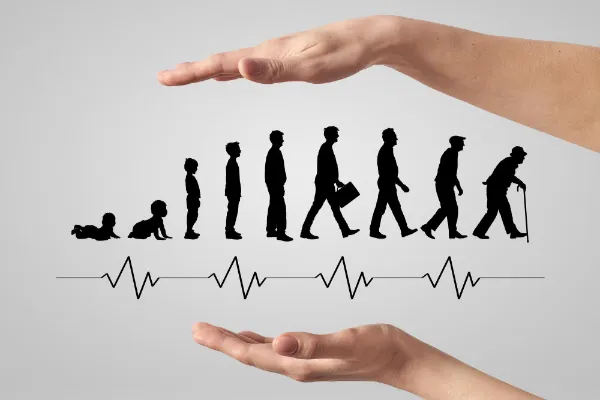
As you grow older, the spinal discs gradually lose water content, making them less flexible and more brittle. This natural degeneration weakens the outer ring of the disc, increasing the chances of a tear even from small movements or minor strains.

High-impact incidents such as road accidents, sports injuries, or falls can cause the soft inner part of the disc to push through the outer ring instantly. In such cases, symptoms usually appear suddenly and may require urgent medical attention.
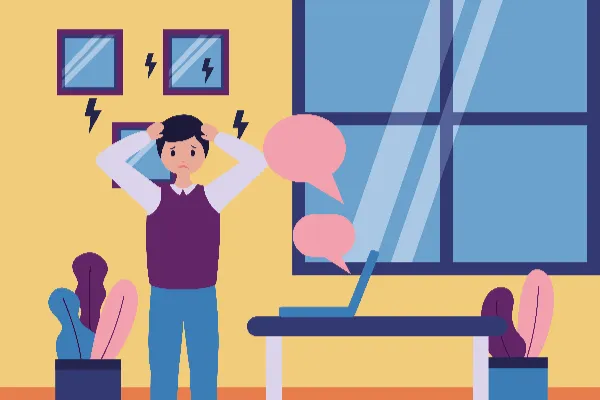
Jobs or activities that involve frequent bending, twisting, or sitting for long hours without proper back support can overstress spinal discs. Over time, this repeated stress can weaken the disc structure and cause it to bulge or rupture.
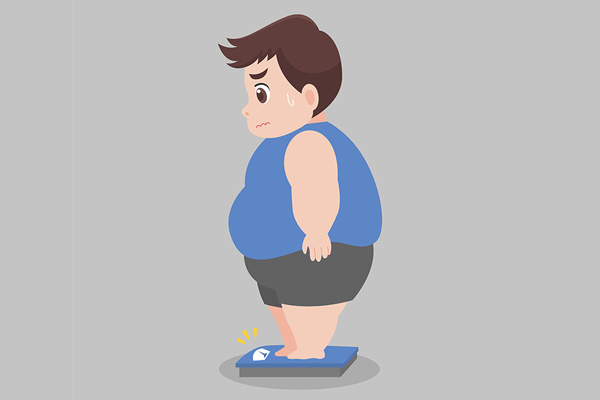
Carrying extra weight adds constant pressure to the spine, particularly the lower back. Over time, this pressure accelerates wear and tear on the discs, making them more prone to injury.

Jobs that involve heavy lifting, pushing, pulling, or repetitive twisting motions place continuous stress on the spine. Without proper lifting techniques and protective breaks, this stress can lead to disc damage.
Genetics can influence the strength, flexibility, and hydration level of your spinal discs. If close family members have suffered from disc problems, your own risk of developing a slip disc may be higher.
The symptoms of a herniated disc can vary depending on the location of the herniation and whether it is pressing on a nerve. Some people may have mild discomfort, while others experience severe, disabling pain. Recognizing these symptoms early can help you get timely treatment and prevent further damage.
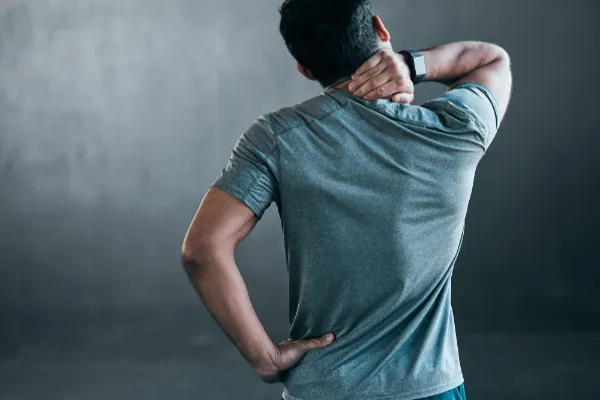
A slip disc often causes persistent pain in the affected area of the spine. This pain may worsen when moving, lifting, or even coughing and can interfere with daily activities.

If the herniated disc presses on a nerve, pain can travel from the spine into other areas, such as down the legs (sciatica) or into the arms. This type of pain is often sharp, shooting, or burning.

Pressure on spinal nerves can lead to sensations of pins and needles in the arms, hands, legs, or feet. This symptom may come and go or persist over time.

A compressed nerve can weaken the muscles it controls, making it difficult to lift objects, grip items, or maintain balance while walking. In severe cases, this weakness may lead to reduced mobility.
In rare but serious cases, a large herniated disc can compress nerves that control bladder and bowel function. This is a medical emergency that requires immediate attention.
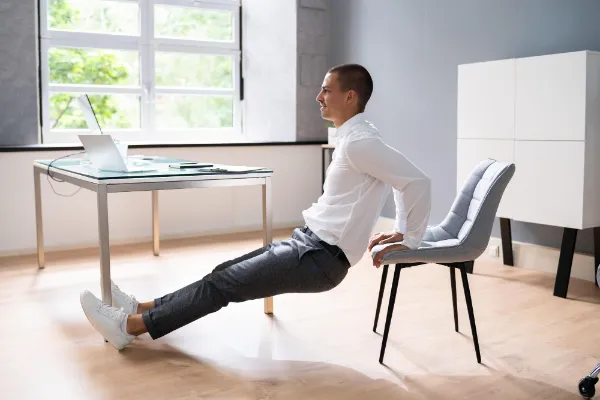
Inflammation from a slip disc can make it difficult to bend, twist, or move comfortably. Many patients notice stiffness in the spine, especially after long periods of sitting or in the morning.
An accurate diagnosis is the first step toward effective slip disc treatment. Dr. Sohael Khan follows a precise and comprehensive approach to diagnose slip disc (herniated disc) conditions. This includes:
We start by discussing your symptoms, lifestyle, medical background, and any past injuries. This helps identify potential causes and risk factors for your condition.
Dr. Sohael Khan will check your posture, range of motion, muscle strength, and reflexes. Specific movements may be used to see if pain radiates or worsens, indicating nerve involvement.
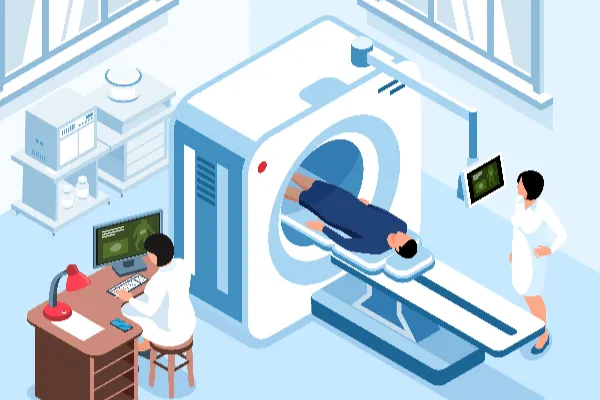

By combining these steps, we ensure a precise diagnosis, which is crucial for creating a treatment plan tailored to your needs, whether it’s conservative care or minimally invasive surgery.
Treatment for a slip disc, also known as a herniated disc, depends on the severity of symptoms, the disc location, and your overall health. At our Spine Clinic in Nagpur, Dr. Sohael Khan offers a complete range of non-surgical and surgical options, ensuring every patient receives a treatment plan tailored to their needs.
Prescription and over-the-counter pain relievers, anti-inflammatory drugs, and muscle relaxants can help reduce pain, inflammation, and muscle spasms caused by a slip disc. Medications are often the first step, providing symptom relief so patients can participate in physiotherapy or other treatments.
A targeted physiotherapy plan strengthens the back and core muscles, improves flexibility, and enhances posture. Gentle stretching and strengthening exercises help reduce pressure on the affected disc and prevent further injury. Supervised rehabilitation also educates patients on safe movement techniques for everyday activities.
These injections deliver powerful anti-inflammatory medication directly into the epidural space around the spinal nerves. They can provide quick relief from severe pain and nerve irritation, making it easier for patients to resume normal activity and continue physiotherapy without discomfort.
Applying heat relaxes tight muscles and improves blood circulation, while cold therapy reduces swelling and numbs sharp pain. Alternating between hot and cold packs can be an effective home-based pain management method when combined with professional treatment.
Adopting better posture, using ergonomic chairs, maintaining a healthy weight, and avoiding heavy lifting are crucial steps in recovery and prevention. Small lifestyle changes can significantly reduce strain on the spine and help avoid recurring slip disc episodes.
A minimally invasive procedure where the surgeon removes the herniated portion of the disc pressing on the nerve. This technique preserves most of the healthy disc and surrounding tissues, leading to faster recovery, minimal scarring, and effective long-term pain relief.
This advanced, keyhole surgery uses a tiny camera and specialized instruments to treat the damaged disc through a very small incision. It causes less muscle disruption, reduces post-surgery pain, and allows patients to return to normal activities much faster than traditional surgery.
In this procedure, a small part of the vertebral bone called the lamina is removed to relieve nerve pressure caused by a slip disc or spinal stenosis. Laminectomy creates more space for the spinal cord and nerves, reducing pain, weakness, and numbness.
A severely damaged or degenerated disc is removed and replaced with an artificial disc made of metal and plastic. This option maintains normal spine motion and stability, making it ideal for patients who want to avoid spinal fusion.
Two or more vertebrae are permanently joined together to stabilize the spine after disc removal. This surgery is recommended when instability is present or other treatments have failed, offering long-term relief from pain caused by excessive motion at the affected segment.
A minimally invasive technique in which a small portion of the damaged disc is removed using specialized instruments inserted through a tiny incision. It is suitable for selected cases and is typically performed on an outpatient basis with minimal downtime.
When it comes to slip disc treatment, Dr. Sohael Khan stands out for his expertise and patient-focused approach:
Choosing Dr. Sohael Khan means choosing trusted, advanced, and compassionate spine care right here in Nagpur.
Yes. In many cases, symptoms improve with rest, physiotherapy, and lifestyle changes. However, ongoing pain or nerve compression may require medical or surgical intervention.
In most minimally invasive surgeries, patients are encouraged to walk within 24 hours, depending on their condition and recovery speed.
Yes, recurrence is possible, especially if lifestyle changes and strengthening exercises are not followed. Maintaining a healthy weight and good posture can help prevent it.
Yes. Post-surgery physiotherapy helps restore strength, flexibility, and stability to the spine, which reduces the risk of future disc problems.
Short trips can usually be resumed within a few weeks, but long-distance travel (especially by car or plane) should be delayed until your doctor confirms it’s safe, to avoid strain on your spine.
For minimally invasive procedures, many patients return to light work within 2–4 weeks, depending on job demands and individual healing.