
Spine Fracture Treatment in Nagpur
Advanced care for spinal fractures with minimally invasive and surgical treatments to restore mobility, relieve pain, and protect long-term spinal health.
What is a Spine Fracture?
A spine fracture occurs when one or more vertebrae in the spinal column break or collapse, often due to trauma, falls, accidents, or underlying conditions such as osteoporosis. These fractures can vary in severity, ranging from small cracks that cause mild discomfort to major collapses that threaten spinal stability and nerve function.
Spine fractures can lead to severe pain, limited mobility, and in some cases, neurological symptoms such as numbness or weakness in the limbs. Early diagnosis and timely treatment are essential to prevent long-term complications and support proper healing. Depending on the fracture type, treatment may involve bracing, physiotherapy, or surgical intervention to stabilize the spine and restore normal function.
Causes of Spine Fractures

Trauma or Accidents
High-impact incidents such as road accidents, falls, or sports injuries can cause vertebral fractures. Immediate medical attention is crucial to prevent nerve damage and complications.
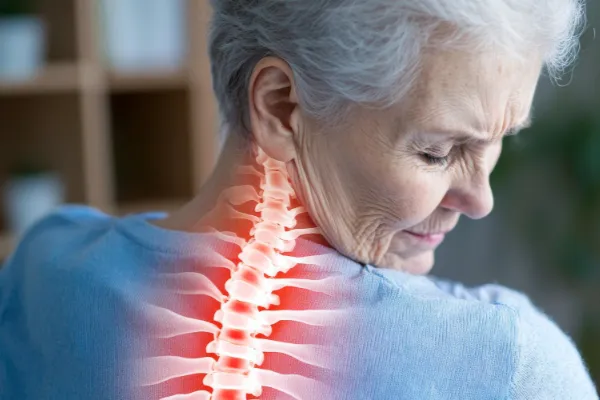
Osteoporosis and Age-Related Bone Weakness
Bones lose density with age, making the vertebrae brittle and prone to fractures even with minor stress. Early detection of bone weakness can reduce risk.

High-Impact Physical Activities
Repetitive lifting, heavy manual labor, or extreme sports can overload the spine, increasing the likelihood of fractures over time.
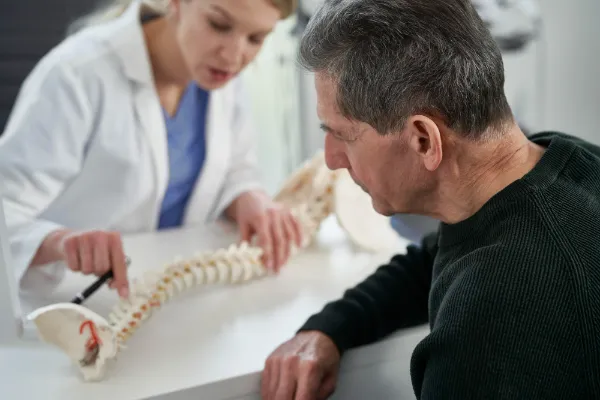
Medical Conditions Affecting Bone Strength
Conditions such as cancer, long-term steroid use, or metabolic disorders may weaken bones and increase fracture risk.
Symptoms of Spine Fractures
Recognizing spine fracture symptoms early ensures timely treatment and better recovery outcomes. Symptoms vary depending on the severity and location of the fracture.
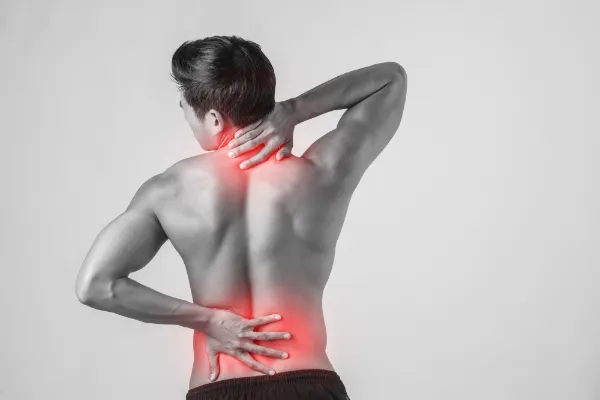
Severe Back or Neck Pain
Sudden or persistent pain in the injured area is the most common symptom, often worsening with movement or activity.

Limited Mobility or Stiffness
Difficulty bending, twisting, or standing can indicate vertebral damage that restricts spinal flexibility.

Numbness or Tingling

Muscle Weakness
Nerve involvement can reduce strength in the limbs, affecting balance and daily activities.

Pain Radiating to Other Areas
Pain may spread to the hips, legs, or shoulders, depending on which vertebra is affected.

Loss of Bladder or Bowel Control (Severe Cases)
Rare but serious, this requires immediate medical attention to prevent permanent nerve damage.
Treatment for Spine Fractures
The choice of treatment depends on the fracture type, severity, and patient’s overall health. Dr. Sohael Khan offers a comprehensive range of solutions in Nagpur, from conservative care to advanced surgical interventions.
Non-Surgical Treatments
Bracing:
Special spinal braces help stabilize the vertebrae, reduce pain, and allow the bones to heal naturally.
Pain Management:
Medications such as pain relievers or anti-inflammatory drugs help control discomfort and allow patients to participate in rehabilitation.
Physiotherapy:
Gentle exercises and targeted therapy strengthen spinal muscles, improve flexibility, and prevent further injury.
Minimally Invasive Spine Surgery
Vertebroplasty:
Bone cement is injected into the fractured vertebra to stabilize it, relieve pain, and restore mobility.
Kyphoplasty:
Similar to vertebroplasty, this technique uses a balloon to restore vertebral height before cement injection, improving posture and reducing spinal deformity.
Percutaneous Fixation:
Small incisions allow placement of rods or screws to stabilize the spine with minimal tissue disruption.
Open Surgical Interventions (Selected Cases)
For severe or unstable fractures, traditional spinal surgery may be required to realign and stabilize the spine. These procedures focus on decompressing nerves, restoring spinal alignment, and preventing further complications.
Recovery After Spine Fracture Treatment
Recovery timelines vary based on fracture severity, patient health, and treatment type. Following post-treatment guidance ensures optimal healing and reduces the risk of complications.
Key Recovery Guidelines:
- Rest and Gradual Activity: Avoid heavy lifting and high-impact movements initially but maintain gentle movement to prevent stiffness.
- Physiotherapy Sessions: Strengthen core and back muscles, restore flexibility, and improve posture.
- Medication Adherence: Continue prescribed pain relief and anti-inflammatory medications as directed.
- Lifestyle Adjustments: Maintain a healthy weight, practice safe lifting techniques, and use ergonomic furniture.
- Balanced Nutrition: Adequate calcium, vitamin D, and protein support bone healing.
- Follow-Up Care: Attend scheduled visits to monitor recovery and adjust treatment if needed.
Get Expert Spine Fracture Care in Nagpur
Don’t let a spine fracture affect your mobility or quality of life. Dr. Sohael Khan provides advanced, minimally invasive, and surgical treatments in Nagpur for faster recovery and long-term spinal health.
FAQs on Spine Fracture Treatment in Nagpur
Yes. Stable fractures with minimal displacement often heal with bracing, physiotherapy, and lifestyle adjustments under proper medical supervision.
Recovery depends on fracture severity and treatment type. Light activities can usually be resumed within weeks, while full mobility may take several months.
Most patients regain normal movement with timely treatment and physiotherapy, though severe fractures may require longer rehabilitation.
Minimally invasive spine procedures use smaller incisions, reduce tissue damage, lower infection risk, and typically allow faster recovery than open surgery.
Avoid heavy lifting, twisting, or high-impact activities until cleared by a doctor. Gentle movement and physiotherapy are encouraged to prevent stiffness.
Seek urgent care if there is sudden loss of bladder or bowel control, severe pain, or significant weakness, as these may indicate nerve compression.
Recurrent fractures are possible, especially in patients with weak bones or osteoporosis. Maintaining bone health, posture, and safe movement habits can reduce risk.