
Disc Replacement Surgery in Nagpur
Restore your spinal function, reduce pain, and regain mobility with advanced disc replacement techniques tailored for faster recovery and long-lasting relief.
What is Disc Replacement Surgery?
Disc replacement surgery involves removing a damaged spinal disc and replacing it with an artificial implant designed to mimic natural disc function. This procedure aims to preserve motion in the spine, unlike fusion, which immobilizes vertebrae. It is commonly recommended for patients suffering from degenerative disc disease or chronic back pain that is unresponsive to conservative treatments.
The artificial disc maintains the spine’s height and flexibility while relieving pressure on nerves. Disc replacement can be performed using minimally invasive techniques, reducing recovery time and improving outcomes.
Indications for Disc Replacement
Disc replacement is indicated for patients with spinal disc problems that cause pain and reduced mobility, especially when non-surgical treatments have failed. This procedure aims to relieve pain while maintaining natural spine movement, offering an alternative to spinal fusion.
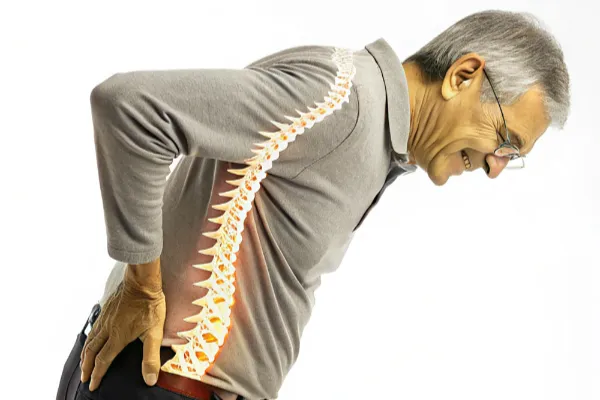
Degenerative Disc Disease
Wear and tear leading to disc collapse, pain, and nerve irritation. Disc replacement restores disc height and reduces pressure on surrounding nerves, improving overall spinal function.

Chronic Back Pain
Persistent pain due to damaged or worn discs without significant spinal instability. Replacing the disc can provide long-term pain relief and improve the patient’s quality of life.
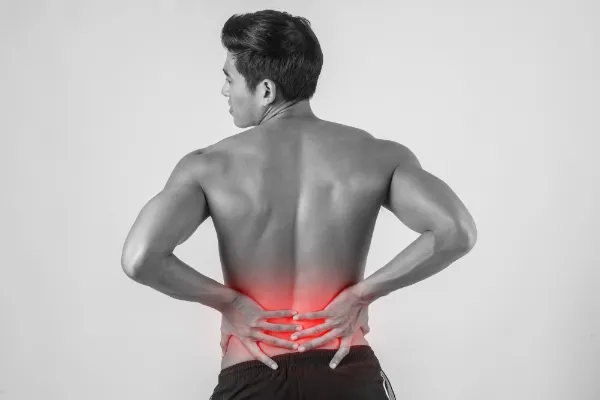
Disc material compressing nerves, causing pain, numbness, or weakness. The procedure removes the damaged disc and replaces it with an artificial one, relieving nerve pressure while preserving mobility.

Failed Conservative Therapy
When medications, physiotherapy, or injections do not relieve symptoms. Disc replacement offers a surgical solution when all non-surgical measures have been exhausted.

Maintaining Mobility
Ideal for patients wanting to preserve spine movement as opposed to fusion. Artificial discs allow more natural bending and twisting motions, reducing stress on adjacent spinal segments.
Symptoms Indicating the Need for Disc Replacement
Disc replacement is recommended when persistent symptoms don’t respond to non-surgical treatments. Early recognition of these signs helps prevent worsening damage and improves surgical outcomes.
Certain symptoms suggest that disc replacement may be the appropriate treatment option.

Chronic or Severe Back Pain
Pain that continues despite conservative care.

Leg or Arm Pain and Numbness
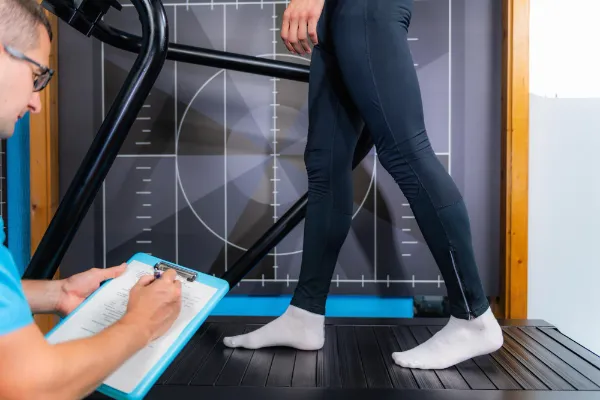
Reduced Range of Motion
Difficulty bending, twisting, or performing daily tasks.

Pain Worsened by Activity

No Significant Spinal Instability
Patients without vertebral slippage are good candidates.
Types of Disc Replacement Surgery
Disc replacement surgery comes in different types based on the spine region affected. The goal is to relieve pain while maintaining natural spine movement and quick healing.
Cervical Disc Replacement
Replaces damaged discs in the neck, preserving motion and relieving nerve pressure. Commonly used to treat cervical radiculopathy and degenerative disc disease.
Lumbar Disc Replacement
Targets discs in the lower back, aiming to reduce pain and restore flexibility while maintaining spine stability. Suitable for patients with lumbar disc degeneration without instability.
Minimally Invasive Disc Replacement
Uses small incisions and specialized tools to minimize muscle damage, reduce pain, and shorten recovery time compared to traditional open surgery.
Hybrid Procedures
Combines disc replacement with spinal fusion or other techniques for complex cases involving multiple levels or deformities.
Treatment for Disc Replacement Surgery
The treatment plan for disc replacement is tailored to the patient’s specific condition and disc damage. Surgeons choose the best technique to restore disc function while reducing potential risks. This personalized approach helps relieve pain and promotes lasting spinal health.
Pre-Surgical Assessment
Surgical Procedure
Disc replacement can be performed via minimally invasive or open surgery using artificial implants to restore disc height and motion.
Post-Surgical Care
Pain management, wound care, and careful monitoring help ensure safe healing and early detection of complications.
Rehabilitation
Physical therapy focuses on strengthening spinal muscles, improving flexibility, and encouraging a gradual return to daily activities.
Recovery & Rehabilitation After Disc Replacement Surgery
Recovery time varies depending on the surgery type and each patient’s health. A carefully guided rehab program helps restore strength, flexibility, and overall spine function.
- Early Mobilization: Encouraged soon after surgery to prevent stiffness and promote circulation.
- Physiotherapy: Key to rebuilding strength, flexibility, and stabilizing muscles supporting the spine.
- Medication Management: Pain relief and anti-inflammatory drugs assist in comfort during healing.
- Lifestyle Adjustments: Avoiding heavy lifting and practicing good posture aid long-term success.
- Nutrition and Bone Health: Proper diet supports healing and implant integration.
- Follow-Up Visits: Regular checkups monitor implant position, spinal alignment, and recovery progress.
Book Expert Care for Disc Replacement Surgery in Nagpur
If you suffer from chronic back pain or disc-related nerve problems, expert disc replacement surgery in Nagpur can restore your quality of life. Take the first step towards relief and improved spine function today.
Frequently Asked Questions About Disc Replacement Surgery
Most patients resume light activities within a few weeks, but full recovery-including restored spine strength and flexibility, typically takes 3-6 months with proper rehabilitation.
Yes. Unlike spinal fusion, artificial disc replacement preserves natural motion, allowing bending, twisting, and rotation similar to a healthy disc.
As with any surgery, risks include infection, nerve injury, or implant-related issues. However, advanced surgical techniques and careful monitoring minimize complications.
Light work can usually be resumed within a few weeks, while physically demanding tasks are delayed until the spine has sufficiently healed, typically several months post-surgery.
Yes. Guided physiotherapy helps strengthen core muscles, improves posture, and ensure proper movement patterns to protect the replaced disc and prevent future problems.
Modern implants are durable, but wear or loosening may occur over many years. Regular follow-ups and a healthy lifestyle help maintain long-term implant performance.
Preserving motion in the replaced disc can reduce stress on adjacent segments compared to fusion, potentially lowering the risk of degeneration in neighboring discs.