
Spinal Fusion Surgery in Nagpur
Stabilize your spine, relieve chronic pain, and improve mobility with advanced spinal fusion techniques designed for faster recovery and long-term results.
What is Spinal Fusion Surgery?
Spinal fusion surgery is a procedure designed to permanently join two or more vertebrae in the spine. By fusing the affected bones, it prevents unwanted movement between them, reducing pain and restoring stability. This surgery is typically recommended for patients experiencing spinal instability, severe deformities, fractures, or chronic back pain that doesn’t respond to conservative treatment.
The fusion process helps realign the spine, stabilize affected segments, and protect nerves from compression. Over time, the bones grow together naturally, creating a solid, pain-free spinal segment. Spinal fusion can be performed using traditional open surgery or minimally invasive techniques, depending on the patient’s condition and surgical goals.
Indications for Spinal Fusion
Spinal fusion may be required due to a range of conditions affecting the vertebrae and spinal stability. It is typically recommended when conservative treatments fail to relieve pain or restore proper alignment, and when long-term spinal stability is necessary to prevent further nerve damage or deformity.
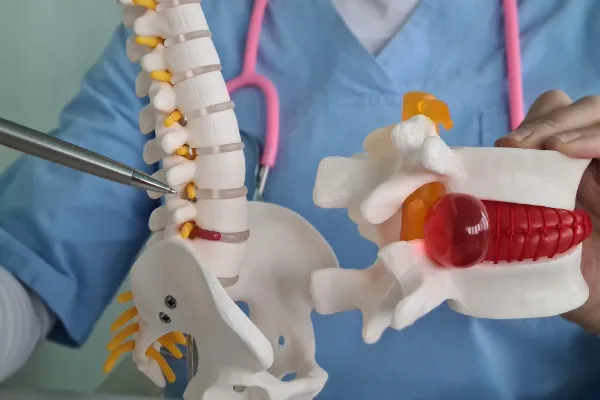
Degenerative Disc Disease
Wear and tear of spinal discs can cause instability, pain, and nerve irritation.

Spondylolisthesis
Slippage of a vertebra over the one below can compress nerves and weaken the spine.

Traumatic fractures that compromise structural integrity often require fusion to stabilize the spine.
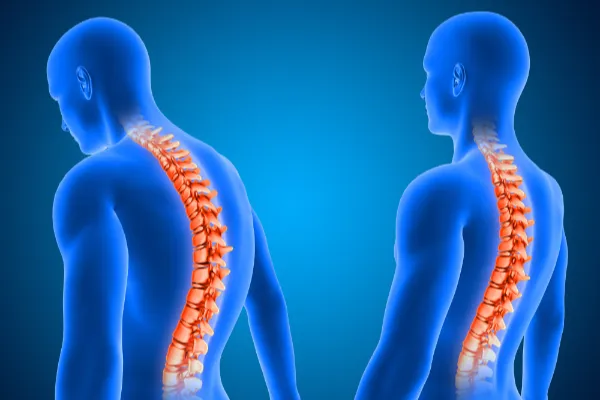
Spinal Deformities
Conditions like scoliosis or kyphosis may need fusion to correct curvature and maintain alignment.

Chronic Pain and Nerve Compression
Persistent pain or neurological symptoms unrelieved by medications, physiotherapy, or injections may necessitate fusion.
Symptoms Indicating the Need for Fusion
Patients with unstable or damaged vertebrae often experience a combination of symptoms that signal the need for spinal fusion. Recognizing these early warning signs is crucial for timely intervention, preventing further spinal damage, and ensuring better long-term outcomes.

Severe or Persistent Back Pain
Pain that doesn’t improve with rest or medication and interferes with daily life.

Leg or Arm Pain and Numbness
Nerve compression may cause radiating pain, tingling, or weakness in limbs.

Spinal Instability
Feeling of the spine giving way or difficulty maintaining posture.

Reduced Mobility
Difficulty bending, twisting, or walking due to vertebral damage.

Worsening Pain with Activity
Pain intensifies with movement or prolonged activity, signaling structural spinal issues.

Muscle Weakness
Compression of spinal nerves can weaken surrounding muscles, affecting balance and coordination.
Types of Spinal Fusion Surgery
Posterior Lumbar Fusion (PLF)
Performed from the back, this method uses rods and screws to stabilize vertebrae, reducing pain and improving alignment. It is one of the most common approaches for lumbar instability and provides long-term structural support.
Anterior Lumbar Fusion (ALIF)
Accessing the spine through the abdomen, ALIF allows direct disc removal and fusion, restoring spinal height and stability. This method helps reduce pressure on spinal nerves and improves balance in the lower spine.
Posterior-Transforaminal Lumbar Interbody Fusion (TLIF)
Combines posterior access with disc insertion to provide strong stabilization while minimizing nerve disruption. TLIF is often recommended for patients with severe disc degeneration or nerve compression.
Minimally Invasive Fusion
Uses small incisions and specialized tools to stabilize the spine, reducing muscle damage, pain, and recovery time. It allows quicker rehabilitation and lowers the risk of postoperative complications.
Cervical Fusion
Targets the neck vertebrae to treat instability, degenerative disc disease, or cervical spine deformities while preserving motion in adjacent segments. It can relieve chronic neck pain and prevent further neurological damage.
Other Specialized Fusion Techniques
Selected cases may involve combined approaches to address complex spinal conditions, ensuring precise stabilization and optimal outcomes. These tailored techniques are often used for patients with severe deformities or multiple-level involvement.
Treatment for Spinal Fusion Surgery
The surgical plan is tailored based on the patient’s condition, fracture severity, or deformity. A structured approach ensures both immediate stability and long-term recovery.
Pre-Surgical Assessment
Imaging like X-rays, CT scans, and MRI confirm the affected vertebrae and nerve involvement. These tests help surgeons choose the safest and most effective surgical approach.
Surgical Procedure
Post-Surgical Care
Pain management, wound care, and gradual mobilization are crucial for safe recovery. Regular monitoring helps detect and prevent any complications at an early stage.
Rehabilitation
Physiotherapy strengthens core muscles, improves posture, and restores flexibility to prevent future spine issues. Long-term rehab also helps patients regain confidence in movement and daily activities.
Recovery & Rehabilitation After Spinal Fusion Surgery
Recovery after spinal fusion is a gradual process that combines rest, medical care, and rehabilitation. Healing time depends on the surgical method, overall health, and extent of fusion. With proper guidance, most patients regain mobility and return to daily routines safely.
- Gradual Mobilization: Start with light activity and walking to prevent stiffness and improve circulation.
- Physiotherapy: Exercises to strengthen core and back muscles, improve flexibility, and support spine stability.
- Medication Management: Follow prescribed pain relief and anti-inflammatory drugs for comfort and healing.
- Lifestyle Adjustments: Maintain proper posture, avoid heavy lifting, and follow ergonomic practices.
- Nutrition and Bone Health: Adequate protein, calcium, and vitamin D intake support bone fusion.
- Follow-Up Visits: Regular checkups ensure proper bone healing, hardware stability, and spinal alignment.
Book Expert Care for Spinal Fusion Surgery in Nagpur
Frequently Asked Questions
With modern techniques, advanced implants, and minimally invasive approaches, spinal fusion is generally safe. Complications are rare and are managed effectively by experienced spine specialists.
Recovery varies depending on the extent of surgery and individual health. Most patients can return to daily routines in 3–6 months, though full healing may take longer.
Fusion stabilizes only the affected vertebrae, which means that while some flexibility is reduced, overall spine function and mobility are usually well-preserved with the help of rehabilitation.
Yes. In fact, short walks are often encouraged within the first few days to support blood flow, speed up healing, and reduce post-surgical stiffness.
Patients should avoid bending, twisting, heavy lifting, or high-impact exercises until their spine is fully stable. Gradual activity increases under medical guidance ensure safe recovery.
Success rates are high, with most patients reporting significant pain relief, restored stability, and improved quality of life. Success depends on the underlying condition, patient health, and post-surgery care.
Yes, physiotherapy is a vital part of recovery. It helps strengthen supporting muscles, improves posture, and restores mobility while preventing stress on the fused area.