
Minimally Invasive Spine Surgery in Nagpur
Advanced spine care with smaller incisions, less pain, and faster recovery. Trusted by patients in Nagpur for slip disc, sciatica, and complex spine problems.
What is Minimally Invasive Spine Surgery?
Minimally invasive spine surgery (MISS) is a modern surgical approach designed to treat spinal problems with less tissue damage compared to traditional open surgery. Instead of making large cuts, surgeons use small incisions and advanced tools such as endoscopes, tubular retractors, and imaging guidance to precisely reach the affected area of the spine.
This technique is commonly used for conditions like slip disc (herniated disc), sciatica, spinal stenosis, spondylolisthesis, spine fractures, and certain spinal deformities.
The main goal of MISS is to relieve nerve compression, stabilize the spine, and restore mobility while minimizing disruption to muscles, ligaments, and surrounding structures.
For patients in Nagpur, minimally invasive spine surgery provides a safe and effective solution for long-term relief while preserving spinal function and mobility.
When is Minimally Invasive Spine Surgery Needed?
Not every spine condition requires surgery. In many cases, back or neck pain can be managed with medication, physiotherapy, and lifestyle changes. However, when conservative treatments fail to provide relief or when nerve compression becomes severe, minimally invasive spine surgery (MISS) may be the best option.
This advanced procedure is commonly recommended for patients with the following conditions:

Slip Disc (Herniated Disc)
When disc material presses on spinal nerves, causing severe back pain, sciatica, or numbness, MISS helps remove the damaged portion with precision and less muscle injury.

Sciatica and Chronic Nerve Pain
Patients with sharp, radiating leg pain or nerve compression that doesn’t improve with conservative treatment often benefit from targeted decompression through minimally invasive techniques.
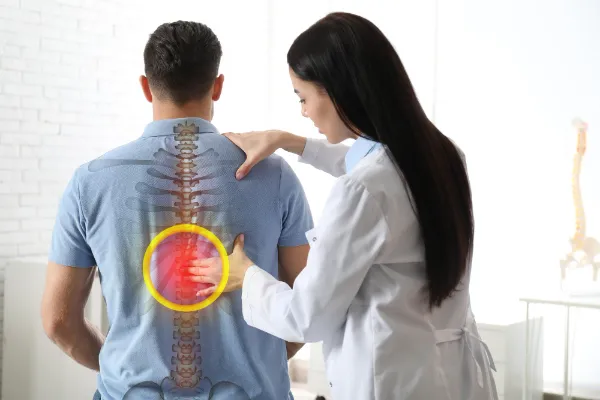
Spinal Stenosis
A narrowed spinal canal can cause pain, tingling, or weakness in the legs. MISS relieves pressure by carefully widening the spinal canal with minimal disruption.

Spondylolisthesis
When one vertebra slips forward over another, MISS stabilizes the spine, reduces nerve pressure, and improves mobility without large incisions.

Certain traumatic or osteoporotic fractures can be treated effectively with minimally invasive stabilization procedures, offering faster recovery and less post-surgical pain.

Spinal Deformities & Persistent Back/Neck Pain
For selected cases of scoliosis or kyphosis, MISS can correct alignment while preserving healthy tissue. It’s also considered when chronic back or neck pain doesn’t respond to months of medication, physiotherapy, or injections.
Types of Minimally Invasive Spine Surgeries
Depending on the patient’s condition, minimally invasive spine surgery can be performed using different techniques. Each surgery is designed to relieve pressure on nerves, correct alignment, or stabilize the spine while causing minimal tissue damage.
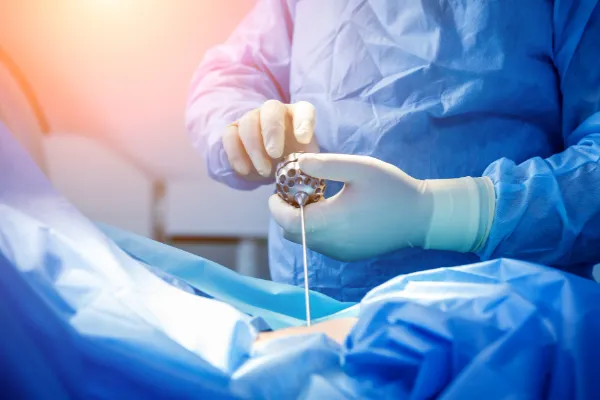
Microdiscectomy
A minimally invasive procedure that removes the portion of a herniated disc pressing on nearby nerves. It is commonly recommended for patients with slip disc or sciatica, offering quick relief from radiating pain and faster recovery compared to open surgery.

This advanced keyhole procedure uses a small camera (endoscope) and specialized instruments inserted through a tiny incision. It allows surgeons to treat slip discs, sciatica, and nerve compression with high precision, minimal scarring, and very short hospital stays.

In cases of spinal instability or spondylolisthesis, fusion surgery is performed through small incisions. Screws, rods, or cages are inserted to join two or more vertebrae together, restoring stability and significantly reducing pain caused by abnormal motion.

Laminectomy / Decompression Surgery
This procedure relieves pressure on the spinal cord or nerves by removing a small part of the vertebral bone (lamina) or disc material. It is particularly effective for spinal stenosis, helping patients regain mobility and reduce leg pain or numbness.

Artificial Disc Replacement
In this surgery, a damaged or degenerated spinal disc is removed and replaced with an artificial implant made of metal and plastic. Unlike fusion, it preserves natural spine movement, making it ideal for patients who wish to maintain flexibility while reducing pain.
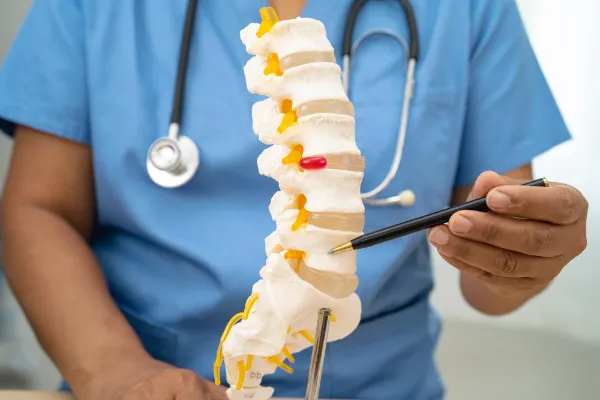
Kyphoplasty / Vertebroplasty
These procedures are used to treat spinal fractures, often caused by osteoporosis or trauma. A special bone cement is injected into the fractured vertebra to stabilize it, reduce pain, and restore height, allowing patients to return to normal activity quickly.
These six advanced surgical techniques are performed with minimal disruption to tissues, giving patients in Nagpur effective, long-term relief with shorter recovery times.
Risks and Complications of Minimally Invasive Spine Surgery
Minimally invasive spine surgery is generally safe, but like any surgical procedure, it carries some risks. Being aware of these helps patients make informed decisions and prepare for recovery.
Possible Risks Include:
- Infection - Rare but possible at the incision site or deeper tissues.
- Nerve Injury - Small risk of temporary numbness, tingling, or weakness.
- Bleeding or Blood Clots - Minimal due to smaller incisions, but still possible.
- Implant-Related Issues - In rare cases, screws or implants may loosen or shift.
- Persistent Pain - Some patients may experience continued discomfort if underlying issues remain.
- Anesthesia Risks - Side effects such as nausea or dizziness may occur after surgery.
Book an Appointment with Dr. Sohael Khan
Don’t let back pain or spine problems hold you back from living your best life. With advanced minimally invasive spine surgery in Nagpur, Dr. Sohael Khan helps patients return to pain-free movement with safety and confidence.
Frequently Asked Questions
Unlike open surgery, minimally invasive techniques use smaller incisions, cause less muscle damage, and allow quicker recovery with minimal scarring.
Conditions like slip disc, sciatica, spinal stenosis, deformities, and some spinal fractures can be effectively treated with minimally invasive surgery.
Not always. Suitability depends on the patient’s age, medical history, and the complexity of the spine problem. A spine specialist decides after evaluation.
Though rare, risks may include infection, nerve irritation, bleeding, or implant-related issues. Choosing an experienced surgeon reduces these risks.
The results are usually long-lasting, especially when combined with physiotherapy, exercise, and lifestyle modifications to protect spinal health.
Yes, in some cases revision minimally invasive surgery is possible, but it depends on the specific condition and previous procedure.