Sciatica Pain Relief: Causes, Symptoms and Treatment Options
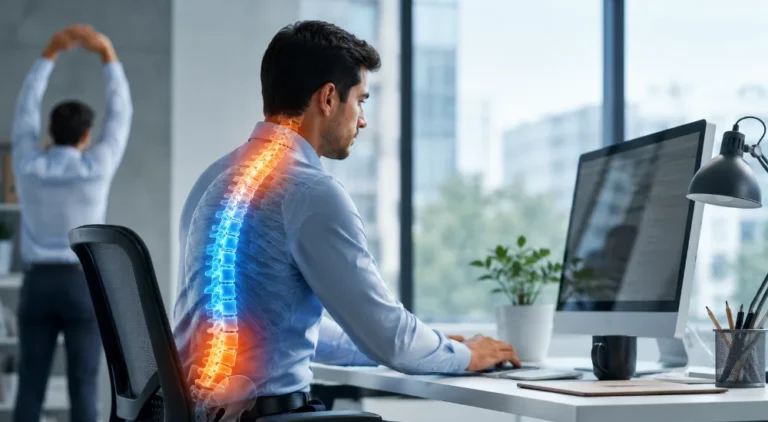
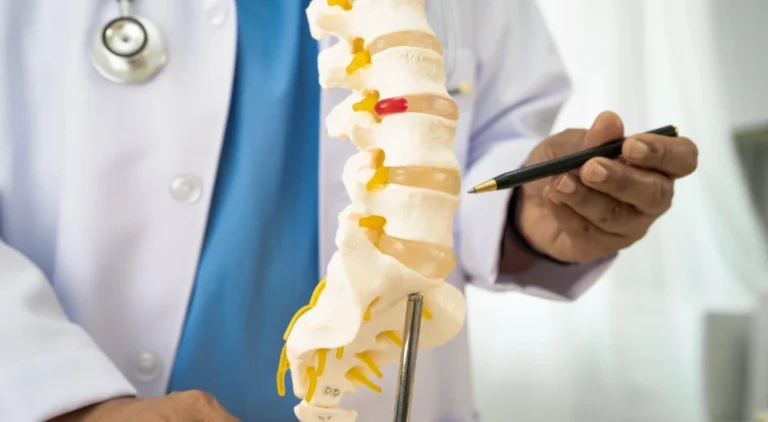
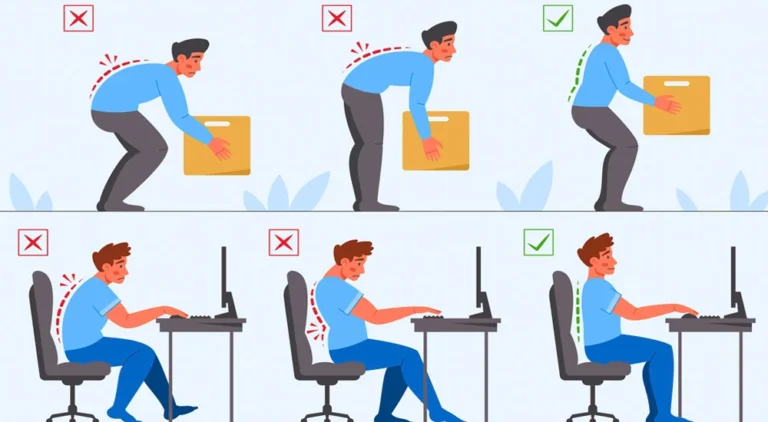
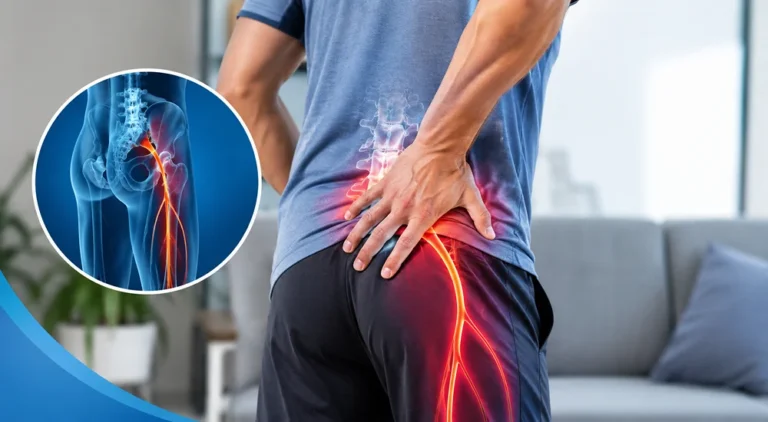
Lower back pain that travels down one leg can be more than just a muscle strain. It may be sciatica, a condition caused by irritation or compression of the sciatic nerve, the longest nerve in the human body. Sciatica can make simple activities such as walking, sitting, climbing stairs, or even sleeping uncomfortable. Finding the right sciatica pain relief starts with identifying the underlying cause rather than simply treating the symptoms. Whether the discomfort is mild or severe, early diagnosis and appropriate treatment can help reduce pain, restore mobility, and prevent long term nerve damage. What Is Sciatica? Sciatica refers to pain that occurs when the sciatic nerve becomes compressed or irritated. The sciatic nerve originates from the lower lumbar spine, passes through the hips and buttocks, and extends down each leg. Unlike general lower back pain, sciatica follows the path of the sciatic nerve. Depending on the severity of nerve compression, symptoms may range from mild discomfort to intense pain that affects daily activities. Sciatica itself is not a disease. Instead, it is a symptom of an underlying spinal condition such as a slip disc, herniated disc, spinal stenosis, or degenerative disc disease. Common Causes of Sciatica Several spinal conditions can compress the sciatic nerve and lead to persistent pain. Slip Disc or Herniated Disc One of the most common causes of sciatica is a herniated disc, where the inner portion of a spinal disc pushes through its outer layer and presses on nearby nerves. Spinal Stenosis Narrowing of the spinal canal can place pressure on the spinal nerves, especially in older adults, leading to sciatica symptoms. Degenerative Disc Disease As spinal discs naturally lose hydration and flexibility with age, they become more prone to wear, increasing the risk of nerve compression. Bone Spurs Extra bone growth around the spine can reduce the available space for nerves, resulting in irritation of the sciatic nerve. Injury or Trauma Sports injuries, falls, or accidents affecting the lumbar spine may also trigger sciatica. Symptoms of Sciatica Sciatica symptoms vary depending on the location and severity of nerve compression. Common signs include: Pain radiating from the lower back to the buttock and leg Burning or sharp leg pain Numbness and tingling in the foot or leg Muscle weakness Difficulty walking or standing for long periods Pain that worsens while sitting Discomfort during coughing or sneezing Some patients experience only mild leg pain, while others may find routine activities significantly affected. When Should You See a Spine Specialist? Occasional lower back pain may improve with rest, but persistent sciatica requires medical evaluation. Consult a spine specialist if: Pain continues for more than two weeks. Leg pain becomes severe or progressively worsens. Numbness or muscle weakness develops. Walking becomes difficult. Pain affects sleep or daily activities. You experience loss of bladder or bowel control, which requires immediate medical attention. Early diagnosis improves treatment outcomes and reduces the risk of permanent nerve damage. How Is Sciatica Diagnosed? A spine specialist begins with a detailed medical history and physical examination to understand symptoms and nerve function. Depending on the findings, diagnostic tests may include: X ray to assess spinal alignment MRI to identify disc herniation, nerve compression, or spinal stenosis CT scan in selected cases Neurological examination to evaluate muscle strength and reflexes Accurate diagnosis helps identify the exact cause of sciatica and guides personalised treatment. Treatment Options for Sciatica Pain Relief Treatment depends on the severity of symptoms and the underlying spinal condition. Conservative Treatment Most patients experience improvement without surgery. Treatment may include: Anti inflammatory medication Physiotherapy Guided stretching exercises Core strengthening Posture correction Activity modification These treatments aim to reduce inflammation, improve spinal stability, and relieve nerve compression. Lifestyle Changes Maintaining healthy body weight, improving workplace ergonomics, avoiding prolonged sitting, and staying physically active can help reduce recurring episodes of sciatica. Simple daily habits often play an important role in long term sciatica pain management. Advanced Spine Treatments If conservative treatment fails or nerve compression becomes severe, advanced procedures may be recommended. Modern minimally invasive spine surgery and endoscopic spine surgery allow surgeons to relieve nerve pressure through smaller incisions, resulting in reduced tissue damage, less postoperative discomfort, and faster recovery for appropriately selected patients. Not every patient with sciatica requires surgery. The treatment decision depends on symptoms, neurological findings, and imaging results. Can Sciatica Heal Without Surgery? Yes. Many patients recover successfully through non surgical treatment, especially when symptoms are identified early. However, if severe nerve compression causes persistent pain, muscle weakness, or reduced quality of life despite conservative care, surgical intervention may become necessary to prevent further nerve damage. A spine specialist can determine the most appropriate treatment based on individual needs. Tips for Preventing Sciatica Although every case cannot be prevented, adopting healthy spinal habits can significantly reduce the risk. Maintain good posture while sitting and standing. Exercise regularly to strengthen core muscles. Lift heavy objects correctly. Avoid sitting continuously for long hours. Maintain a healthy body weight. Stretch before physical activity. Seek medical advice for persistent lower back pain. Taking care of spinal health today can help reduce future episodes of sciatica. Conclusion Finding lasting sciatica pain relief begins with understanding what is causing the nerve compression. Whether symptoms result from a herniated disc, spinal stenosis, or another spinal condition, early diagnosis and personalised treatment can make a significant difference. Most patients improve with conservative care, while others may benefit from advanced minimally invasive procedures when clinically indicated. Dr. Sohael Khan is committed to providing comprehensive spine care through accurate diagnosis, evidence based treatment, and advanced minimally invasive spine techniques. If you are experiencing persistent leg pain, numbness, or lower back pain that affects your daily routine, consulting an experienced spine surgeon in Nagpur can help identify the cause and guide you toward the most appropriate treatment for long term relief and improved mobility. Frequently Asked Questions What is sciatica? Sciatica is pain caused by irritation or compression of the sciatic nerve, usually due to conditions such as a
Sciatica Pain Relief: Causes, Symptoms and Treatment Options Read More »