
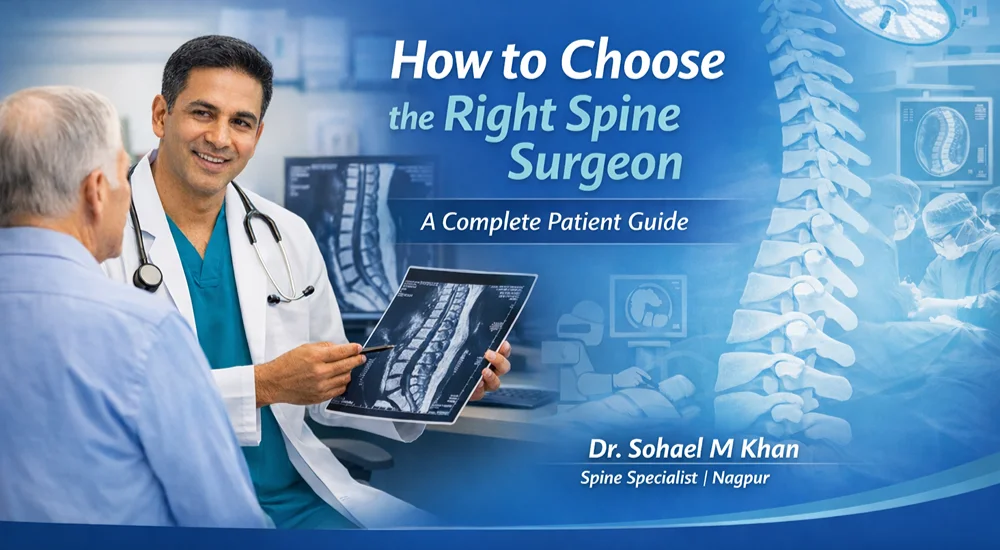
Back pain, slip disc, or sciatica can quietly disrupt your daily life from simple walking to sitting comfortably at work. When pain persists despite medication or physiotherapy, choosing the right spine surgeon in Nagpur becomes an important step toward long-term recovery. But with multiple options available, patients often feel confused about whom to trust. This guide will help you understand what really matters while selecting a spine specialist, so you can make a confident and informed decision.
Why Choosing the Right Spine Surgeon Matters
The spine is one of the most delicate and complex structures in the human body. Even a minor surgical error or delayed diagnosis can lead to prolonged pain, nerve damage, or mobility issues. Unlike general orthopaedic conditions, spine disorders such as spinal stenosis, slip disc, or chronic sciatica require specialised evaluation and treatment planning.
A dedicated spine specialist focuses specifically on spinal problems, advanced surgical techniques, and rehabilitation protocols. This focused expertise can significantly improve treatment outcomes and recovery timelines.
Signs You Should Consult a Spine Specialist
Many patients delay consultation, assuming back pain will resolve on its own with rest or home remedies. While mild muscular pain may improve, persistent or progressive symptoms can indicate deeper spinal issues that require expert evaluation. Recognising these warning signs early and consulting a spine surgeon in Nagpur can help prevent long-term complications and reduce the chances of needing complex treatment later.
Persistent Lower Back or Neck Pain
Pain that continues despite rest, posture correction, or physiotherapy may indicate issues like disc bulge, muscle imbalance, or early degeneration. If discomfort starts affecting sleep, work performance, or daily mobility, specialist consultation becomes important.
Numbness or Tingling in Legs or Arms
Shooting pain or tingling sensations travelling from the spine into the limbs often suggest nerve compression due to slip disc or spinal stenosis. Early medical evaluation can help prevent worsening nerve damage and functional weakness.
Difficulty Walking or Standing for Long
If walking long distances, standing for extended periods, or climbing stairs becomes uncomfortable or tiring, it may signal spinal nerve involvement. Progressive imbalance or leg heaviness should not be ignored as it can impact independence and quality of life.
Failed Conservative Treatment
When conservative treatments such as painkillers, exercises, or injections provide only temporary relief, further spine assessment is needed. Identifying the exact cause helps in planning targeted treatment and avoiding prolonged discomfort.
Key Factors to Consider While Choosing a Spine Surgeon
Selecting the right specialist involves more than just checking degrees or years of practice. Spine treatment outcomes depend on clinical expertise, technology access, patient support systems, and the surgeon’s ability to guide you through the recovery journey. Considering the following factors can help you make a confident and well-informed decision.
Experience and Spine-Focused Training
Look for a surgeon who has extensive experience managing complex spinal disorders and performing procedures such as minimally invasive spine surgery or spinal fusion. A specialist with focused training is better equipped to handle complications and customise treatment.
Expertise in Modern Surgical Techniques
Advanced approaches like endoscopic spine surgery or minimally invasive procedures often result in smaller incisions, reduced blood loss, and faster recovery. Choosing a surgeon familiar with modern techniques can improve overall patient comfort and outcomes.
Hospital Infrastructure and Support Team
Even the most skilled surgeon requires strong institutional support for optimal outcomes. Availability of advanced imaging systems, well-equipped operation theatres, experienced anaesthesia teams, and post-surgical physiotherapy services plays a crucial role in treatment safety. Hospitals that offer comprehensive spine care pathways can ensure smoother recovery and better patient monitoring.
Patient Reviews and Treatment Outcomes
Patient testimonials and feedback can provide practical insight into the surgeon’s approach, responsiveness, and post-treatment support. Consistently positive experiences often indicate reliable clinical judgement and patient-centred care. While reviews should not be the sole deciding factor, they can help patients understand real recovery journeys and satisfaction levels.
Clear Communication and Treatment Transparency
An experienced spine specialist takes time to explain diagnosis, treatment options, possible risks, and expected recovery timelines in simple terms. Transparent discussions help patients make informed choices and reduce anxiety related to surgery. When patients feel heard and well-guided, treatment adherence and overall outcomes tend to improve.
Questions You Should Ask Before Finalising Your Spine Surgeon
Before choosing a spine surgeon in Nagpur, it is important for patients to have clear and honest discussions about treatment plans, expected outcomes, and possible alternatives. Asking the right questions not only builds confidence but also helps in making a well-informed medical decision.
What Are the Non-Surgical Treatment Options?
Understanding conservative treatment options such as physiotherapy, lifestyle modification, spinal injections, or medication can help patients avoid or delay surgery when appropriate. In many cases, early-stage spine conditions respond well to structured rehabilitation and posture correction.
How Many Similar Spine Surgeries Have You Performed?
Experience in handling specific spine conditions like slip disc, spinal stenosis, or degenerative disorders plays a key role in surgical success. A surgeon who regularly performs similar procedures is more likely to manage intra-operative challenges effectively.
What Is the Expected Recovery Timeline?
Recovery duration can vary depending on the procedure type, patient age, and overall health condition. Knowing how long it may take to resume work, travel, driving, or physical exercise helps patients plan their personal and professional commitments.
What Are the Risks and Success Rates?
Every surgical procedure carries certain risks such as infection, delayed healing, or recurrence of symptoms. Discussing realistic success rates based on individual diagnosis helps patients set practical expectations.
Common Mistakes Patients Make While Choosing a Spine Specialist
Many patients unknowingly delay recovery by making avoidable decisions.
- Choosing a surgeon based only on cost rather than expertise
- Ignoring specialist training in favour of general opinions
- Following unverified online remedies for severe spine pain
- Delaying consultation despite worsening neurological symptoms
Early consultation with a qualified back pain specialist in Nagpur can prevent complications and improve long-term spine health.
Spine Treatment Options Available Today
Modern spine care has evolved significantly, offering both non-surgical and advanced surgical solutions based on the severity of the condition, lifestyle needs, and overall health of the patient. A qualified spine surgeon in Nagpur will carefully evaluate imaging reports, symptoms, and functional limitations before recommending the most suitable treatment pathway.
Non-Surgical Management
Many spine problems can be effectively managed without surgery, especially in the early stages. Structured physiotherapy programs help strengthen core muscles, improve posture, and reduce pressure on spinal discs. Medications, ergonomic corrections, activity modification, and targeted spinal injections may provide long-term relief and delay or eliminate the need for surgical intervention.
Minimally Invasive Spine Surgery
Minimally invasive procedures are designed to treat spinal conditions through small incisions with minimal disruption to surrounding tissues. This approach often results in reduced blood loss, shorter hospital stay, and faster return to daily activities. It is particularly beneficial for patients who require surgical correction but want quicker recovery and less post-operative discomfort.
Endoscopic Spine Surgery
Endoscopic spine surgery is an advanced technique that uses specialised instruments and high-definition cameras to address disc herniation or nerve compression. Because muscles and soft tissues are preserved to a greater extent, patients may experience less pain and faster mobilisation after the procedure. This technique is increasingly preferred for selected slip disc and nerve-related spine conditions.
Spinal Fusion or Disc Replacement
In cases of severe spinal instability, deformity, or advanced disc degeneration, procedures such as spinal fusion or artificial disc replacement may be recommended. These surgeries aim to restore spinal alignment, relieve nerve pressure, and improve long-term functional stability. Proper post-operative rehabilitation and follow-up care play a crucial role in achieving optimal recovery outcomes.
When Should You Seek Urgent Spine Consultation
Certain symptoms require immediate medical attention.
- Sudden loss of bladder or bowel control
- Rapidly progressing weakness in legs or arms
- Severe trauma or suspected spinal fracture
- Unbearable nerve pain that disrupts sleep
Timely evaluation by a trusted spine surgeon in Nagpur can prevent permanent nerve damage.
Conclusion
Choosing the right spine specialist is not just about treating pain, it is about restoring mobility, confidence, and quality of life. Patients should look for a surgeon who combines clinical expertise, modern surgical skills, compassionate communication, and a patient-centred treatment approach.
With focused training in minimally invasive and endoscopic spine procedures, Dr. Sohael M Khan is committed to providing personalised spine care based on accurate diagnosis and evidence-based treatment planning. Early consultation and informed decision-making can make a meaningful difference in achieving faster recovery and long-term spine wellness.
Frequently Asked Questions
Who is considered a good spine surgeon in Nagpur?
A good spine surgeon has specialised spine training, experience in advanced procedures, positive patient outcomes, and the ability to provide clear treatment guidance.
Can spine problems be treated without surgery?
Yes. Many conditions such as mild slip disc or muscle-related back pain can improve with physiotherapy, medication, and lifestyle changes.
Is minimally invasive spine surgery safe?
When performed by an experienced specialist, minimally invasive spine surgery is generally safe and often allows quicker recovery compared to traditional surgery.
How long does recovery after spine surgery take?
Recovery varies based on the procedure and patient health. Some minimally invasive procedures allow return to routine activities within a few weeks, while complex surgeries may require longer rehabilitation.
When should I consult a spine specialist for back pain?
If pain persists for more than a few weeks, worsens, or is associated with numbness, weakness, or walking difficulty, specialist consultation is recommended.